

22
SepThis is one of the most misunderstood questions we hear from clients in Dubai who have been refused a visa once and are now worried it will follow them everywhere. The short version is that immigration systems are largely separate between countries and regions, but the application forms themselves ask you to disclose your history regardless. Here is exactly how it works for each system.
Inside Schengen, refusals are shared through VIS
All 29 Schengen countries use a shared platform called the Visa Information System (VIS), which stores biometric data, application details and outcomes for every Schengen visa application, including refusals. This means if you were refused a Schengen visa by, say, the French consulate, and you apply again through Italy or Spain, the new consulate can see that refusal in VIS. It does not mean you will automatically be refused again, but the officer reviewing your new application will see the history and will expect you to address whatever changed. For destination-specific detail, see our guides on Schengen refusal codes and on whether to appeal or reapply after a Schengen refusal.
Does the UK see a Schengen refusal?
No, not automatically. The UK is not part of the Schengen VIS system, and UK Visas and Immigration does not have direct access to Schengen consulate refusal records. That said, the UK visa application form explicitly asks whether you have ever been refused a visa, refused entry, or deported from any country, anywhere in the world. You are required to answer this honestly regardless of whether the UK can independently verify it. Many applicants get this wrong by assuming that because the systems are not linked, the question does not matter. It matters a great deal, because the consequence of an undisclosed refusal being discovered later is far worse than disclosing it upfront. Our guide on why UK visit visas get refused and how to reapply covers the honest disclosure question in more detail.
Does the US see a Schengen or UK refusal?
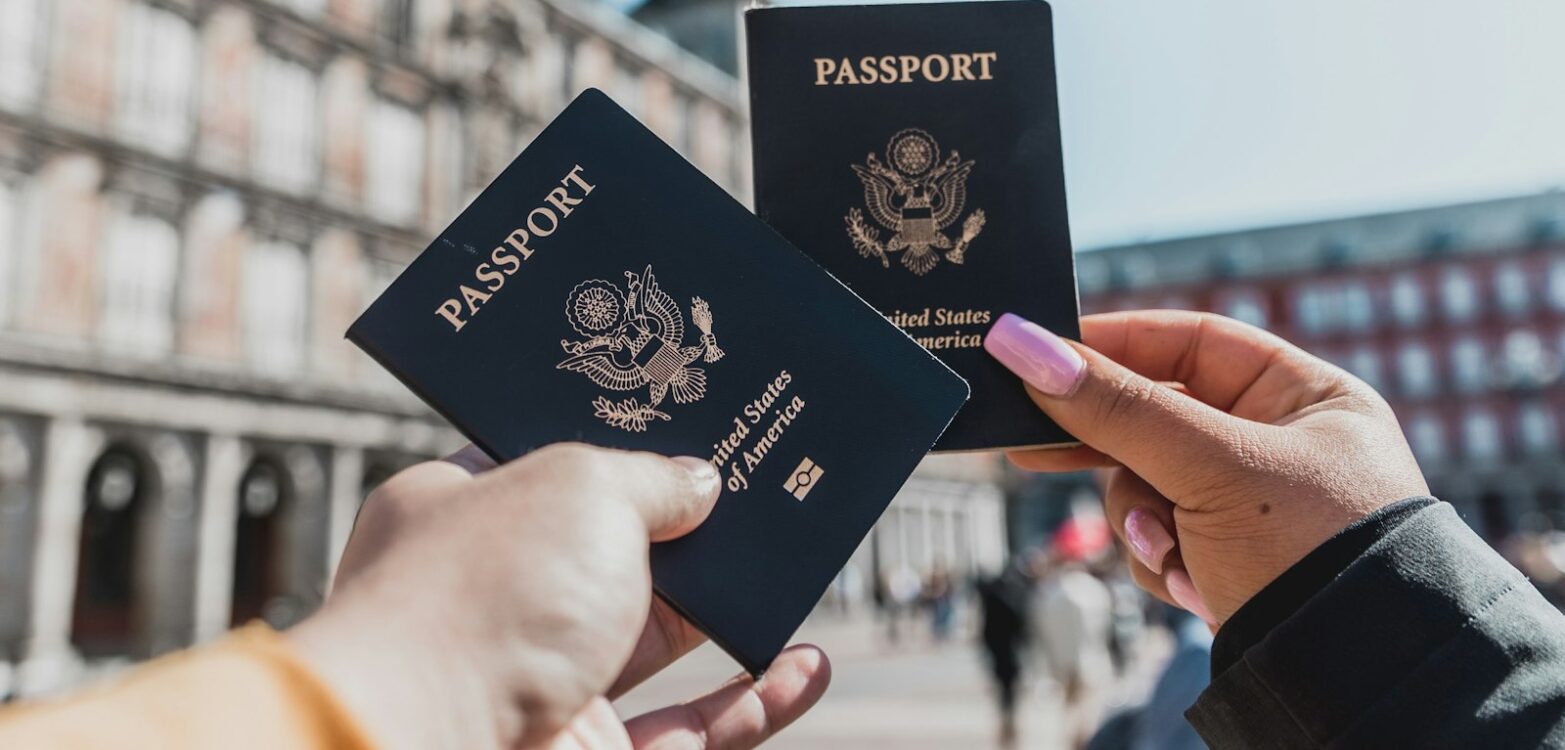
The same logic applies. US Customs and Border Protection and the State Department do not have automatic access to Schengen or UK refusal records. But the DS-160 form, which every US visa applicant completes, directly asks whether you have ever been refused a US visa or any other visa, or denied entry to the United States or any other country. You must disclose it. US immigration law treats a material misrepresentation on a visa application (including a lie of omission about a prior refusal) as a serious ground for refusal in its own right, separate from and often more damaging than whatever the original refusal was about. If you have already had a US refusal specifically, see our guides on the 214(b) refusal and 221(g) administrative processing.
What each system actually checks
| System | Shares refusal data with | Still requires disclosure of |
|---|---|---|
| Schengen VIS | All 29 Schengen member states | Refusals from any country worldwide, on the application form |
| UK Visas and Immigration | No automatic link to Schengen or US systems | All prior refusals, entry denials or deportations, any country |
| US Department of State (DS-160) | No automatic link to Schengen or UK systems | All prior refusals or entry denials, any country |
Why honest disclosure matters more than the refusal itself
A single visa refusal, disclosed honestly with a reasonable explanation of what has changed since, is a normal and recoverable part of many people’s travel history. Officers see it constantly and are trained to assess your current application on its own merits. What genuinely damages an application is being caught concealing a prior refusal, because it shifts the question from “was this applicant’s trip genuine” to “can this applicant be trusted at all.” That second question is much harder to recover from, and in some jurisdictions can lead to a longer-term ban rather than a single refusal. If you are unsure whether something in your history needs to be disclosed, the safer approach is always to disclose it and explain the context.
How to strengthen a new application after a prior refusal elsewhere
Focus on what has genuinely changed since the refusal: a more stable job, stronger financial documentation, clearer travel plans, or simply more time having passed with an established pattern of returning home after travel. Do not simply resubmit the same file to a different country and hope for a different outcome; officers can and do ask about prior refusals during interviews, and a vague or evasive answer is worse than a well-prepared one. Our general guide on whether a visa refusal affects future applications and our guide on reapplying after a refusal from the UAE both go through how to rebuild a file properly.
How Visa Doctor helps
We regularly work with clients who have a refusal on record from one destination and are applying somewhere else, whether that is a Schengen refusal ahead of a UK application, or a UK refusal ahead of a US one. We review your prior refusal letter where you have it, help you disclose it correctly and in the right context on the new form, and build supporting documentation that answers the concern head-on rather than hoping it goes unnoticed. Explore our services for the UK and the US, or check your file with our visa approval chance calculator and document checklist tool before you submit. Applying for a UK visa specifically also means preparing the right bank statement evidence, and Sri Lankan clients applying for the US visa can find the full process in our US visa guide for Sri Lankan citizens.
Need help with your application?
Tell us your destination and travel date. We will tell you honestly what is realistic.
Your first consultation is free. Tell us your situation and we will tell you honestly where you stand before you pay anything.
Frequently asked questions
Can a UK visa officer see that I was refused a Schengen visa?
Not automatically through any shared database. But you must disclose it yourself on the application form, since the UK form asks about refusals from any country.
Will a Schengen refusal from one country affect my application to a different Schengen country?
Yes. All Schengen states share the Visa Information System, so a refusal from one member state is visible to the others when you apply again within the Schengen area.
What happens if I do not disclose a previous refusal?
If it is later discovered, it can be treated as misrepresentation, which is generally a more serious problem than the original refusal and can affect not just that application but your credibility on future ones.
Does a US visa refusal affect my Schengen or UK application?
There is no automatic data link, but you must disclose a prior US refusal on Schengen and UK application forms just as you would disclose any other country’s refusal.
How long does a visa refusal stay relevant?
There is no fixed expiry. Most application forms ask about your full history, though a refusal from many years ago with a clear explanation and a changed situation since is generally viewed differently to a very recent one.
Last reviewed September 2026. Visa rules, fees and processing times change frequently. Always confirm current requirements on the official government or consulate website before booking travel. Visa Doctor is a licensed private service provider (SPC Free Zone 4417571.01) and is not a government authority; we do not issue visas.
Sources and official references
Every requirement, fee and timeline on this page is checked against the issuing authority before publication. These are the primary sources used for this article:
- Visa for Italy, Italian Ministry of Foreign Affairs vistoperitalia.esteri.it
- Spanish Ministry of Foreign Affairs, visa information www.exteriores.gob.es
- European Commission, Schengen visa policy home-affairs.ec.europa.eu
- GOV.UK, Standard Visitor visa www.gov.uk
- The Official Portal of the UAE Government, visa and Emirates ID u.ae
- UAE Federal Authority for Identity, Citizenship, Customs and Port Security (ICP) icp.gov.ae
Government rules change without notice. We re-verify this page on a rolling schedule, but always confirm your own case with us before you book flights or pay fees.
Written and fact-checked by
Bartu Ulucay
Co-founder, Visa Doctor · Dubai, United Arab Emirates
Bartu Ulucay is a co-founder of Visa Doctor, the Dubai-based visa documentation agency behind this site. He works alongside the team that prepares and reviews visitor visa files for UAE residents applying to Schengen, the UK, the USA, Canada, Australia, Japan and 40+ other destinations.
- 94.7% approval rate across submitted files
- 40+ destinations covered from Dubai and Abu Dhabi
- Licensed UAE documentation agency
Published 22 September 2026 · Last reviewed and updated
About Visa Doctor · Ask our team on WhatsApp · +971 58 509 5268
Latest from Instagram
Appointment news, document tips and client stories, from @visadoctoruae.
Keep reading
 Visa ProcessDo You Need to Translate Documents for a Visa Application From Dubai?Written and reviewed by the Visa Doctor documentation team · Dubai · Rated 4.9★ on Google. See how...Read guide
 Visa ProcessHow to Spot a Fake Visa Agent in Dubai Before You Get ScammedWritten and reviewed by the Visa Doctor documentation team · Dubai · Rated 4.9★ on Google. See how...Read guide
 Visa ProcessRefused Before? How to Rebuild a Visa Application From the UAEWhat a visa refusal actually means, how to read the refusal code, and how a second application from...Read guide
- Visa ProcessHow Visa Appointment Booking Really Works in DubaiHow VFS Global, BLS and embassy appointment slots are released in the UAE, why they disappear so fast...Read guide